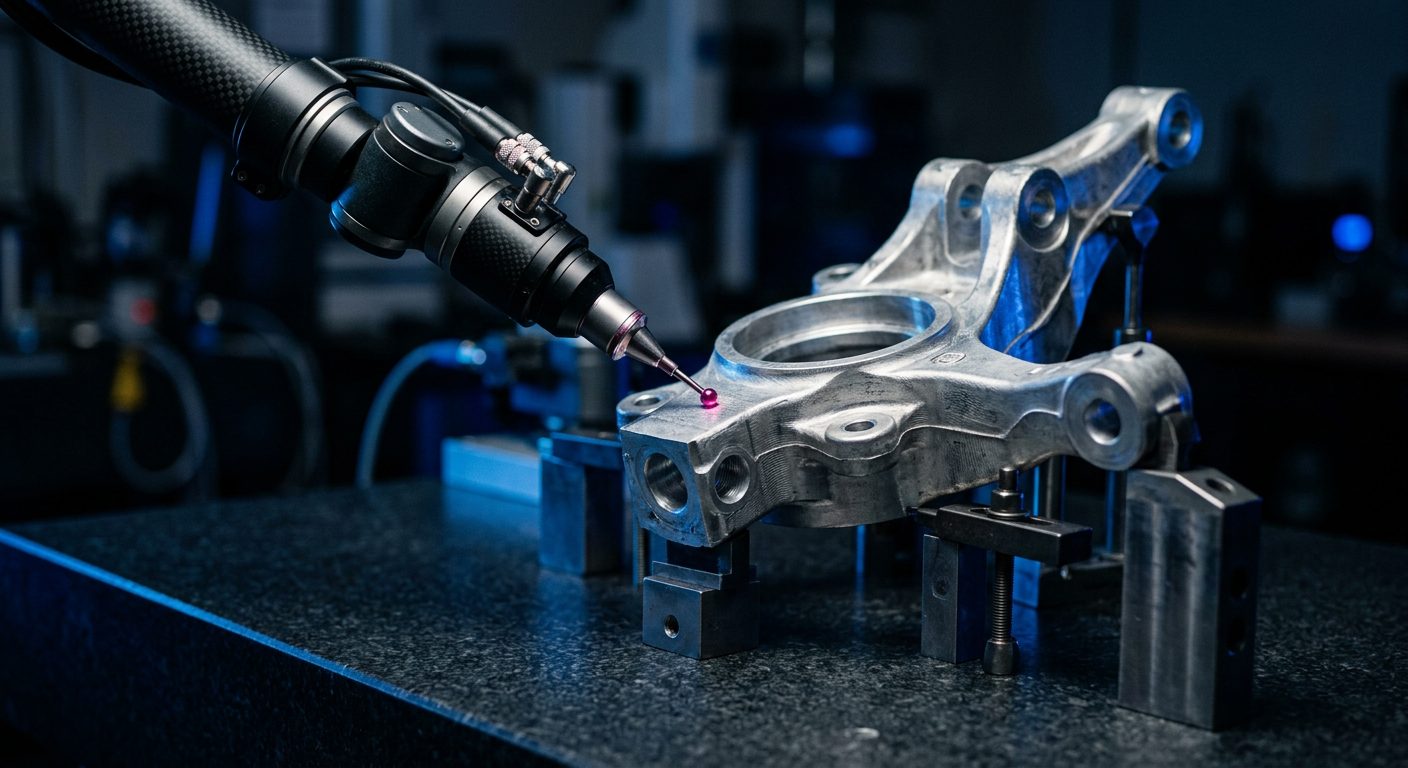
Faro Arm Scanning to Design X & Control X: Real-World Inspection Workflows
An automotive team had a Faro arm but no structured workflow to connect it to their engineering process. They needed to both reverse engineer components and inspect them: two tools, two workflows. We trained them on Design X and Control X using their actual parts, not generic sample data. They left with two production-ready workflows they could run independently, on their own schedule, without relying on outside help.
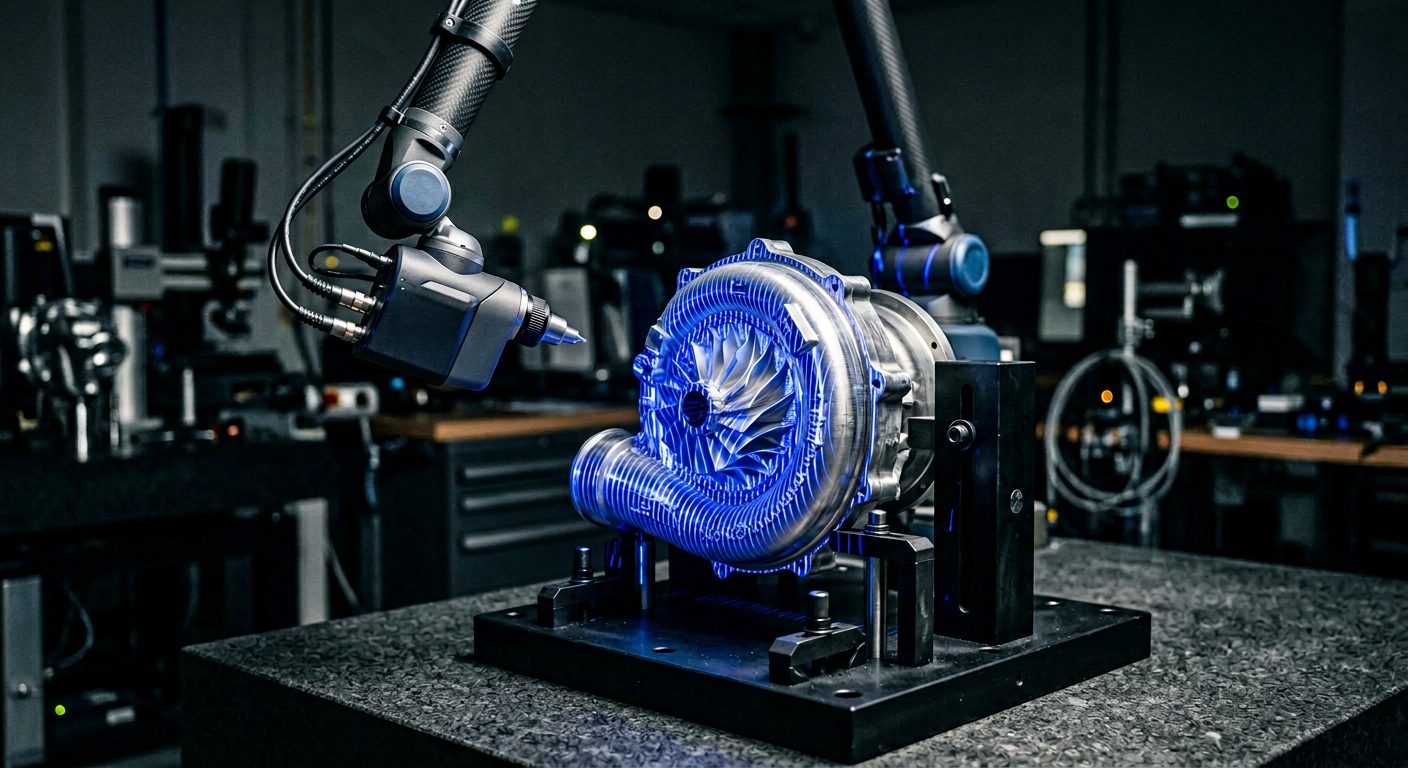
Faro Arm & Faro Cobalt Training: Geomagic Control X Inspection Workflows
An aerospace team had a Faro arm and Faro Cobalt structured light scanner sitting idle. No training, no workflow, and Geomagic Control X barely opened. We built hands-on training around their actual aerospace parts: scanner calibration, data capture, alignment, GD&T inspection, and report generation. By the end of the engagement, ten engineers were running the full inspection cycle independently.
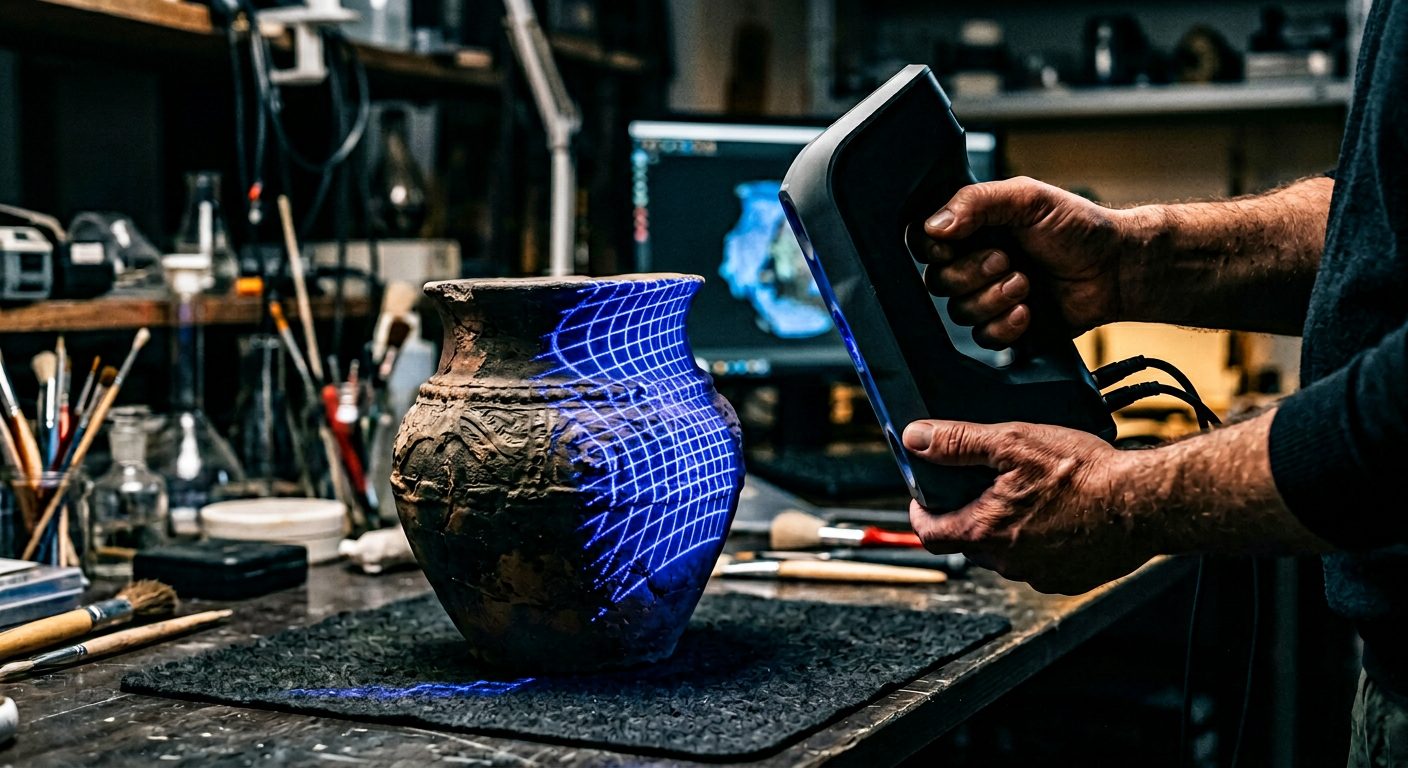
Artec Scanner Workflows & Volume Analysis in Geomagic Wrap
An archaeology team was scanning ancient vessels with Artec handheld scanners but had no workflow to calculate volumes or handle large data sets in Geomagic Wrap. Raw scans were piling up with no usable output. We built end-to-end workflows for alignment, mesh cleaning, and automated volume extraction, and trained the team on managing large field collections without performance issues.
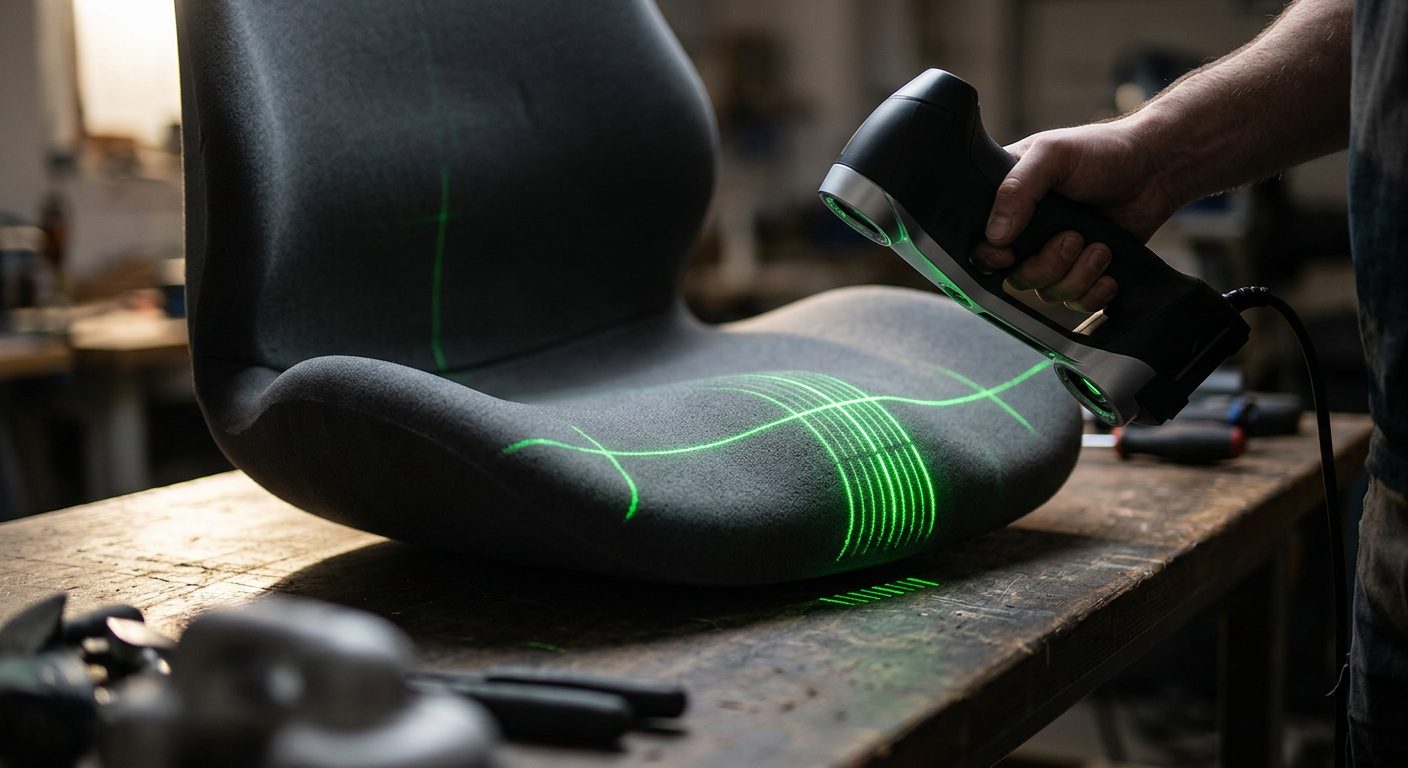
Creaform Scanner Workflow: Chair Form Scanning to Reverse Engineering
A chair manufacturer had Creaform scanners and complex organic geometry to capture: ergonomic curves and contoured surfaces that cannot be dimensioned with calipers. The problem was everything after the scan: no path from raw mesh to usable CAD. We built the complete workflow covering scan setup, mesh processing, alignment, and clean geometry extraction. Repeatable across every new chair model, with the team running it independently from day one. No more dead ends at the mesh stage.
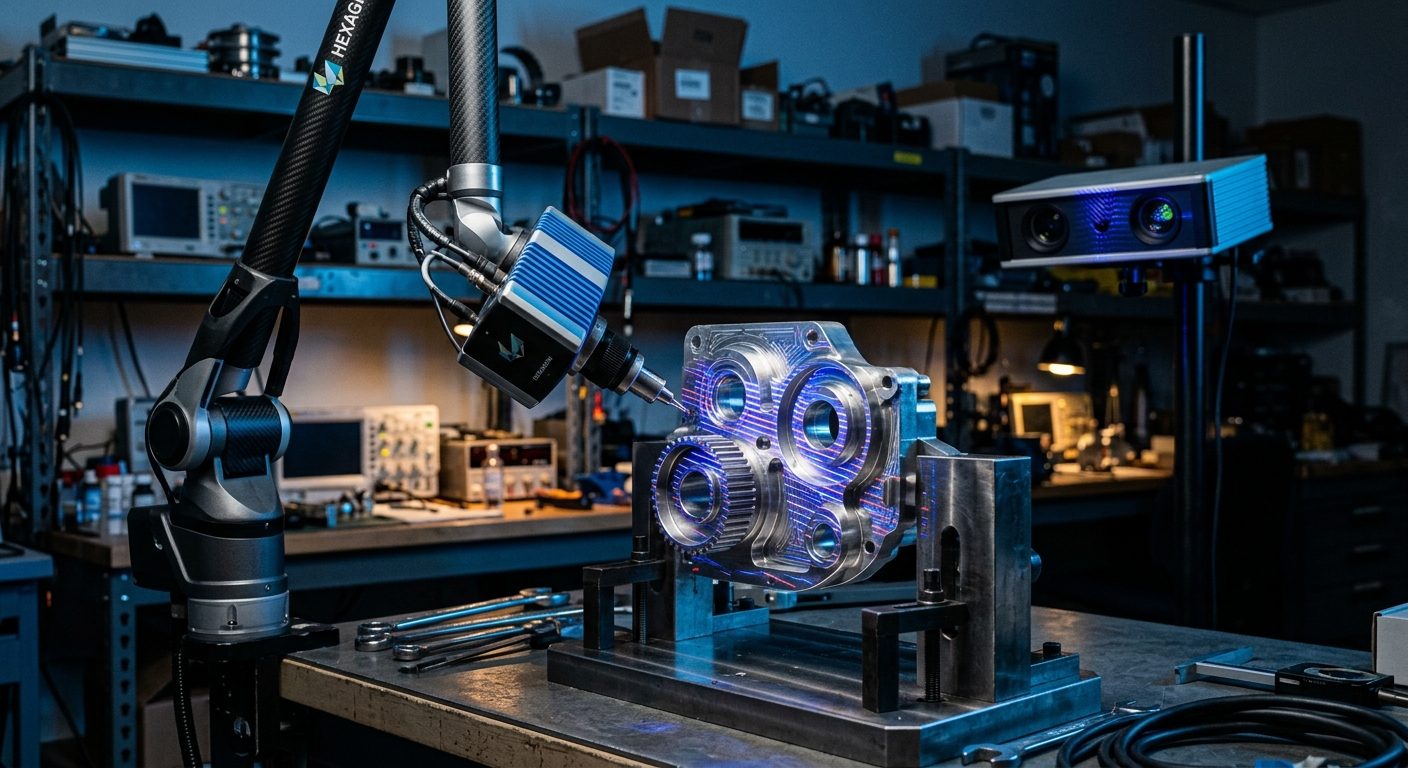
Hexagon Arm & Structured Light Training: Geomagic Wrap, Design X & Control X
A Canadian college had Hexagon arms and structured light scanners in their engineering lab, but three Geomagic products sat largely untouched with no roadmap for downstream use. We delivered hands-on training across Wrap, Design X, and Control X, every module tied directly to their hardware, so students could follow the full path from physical part to engineering output. The lab left with both the skills and a curriculum-ready framework they could build on and expand each semester going forward.
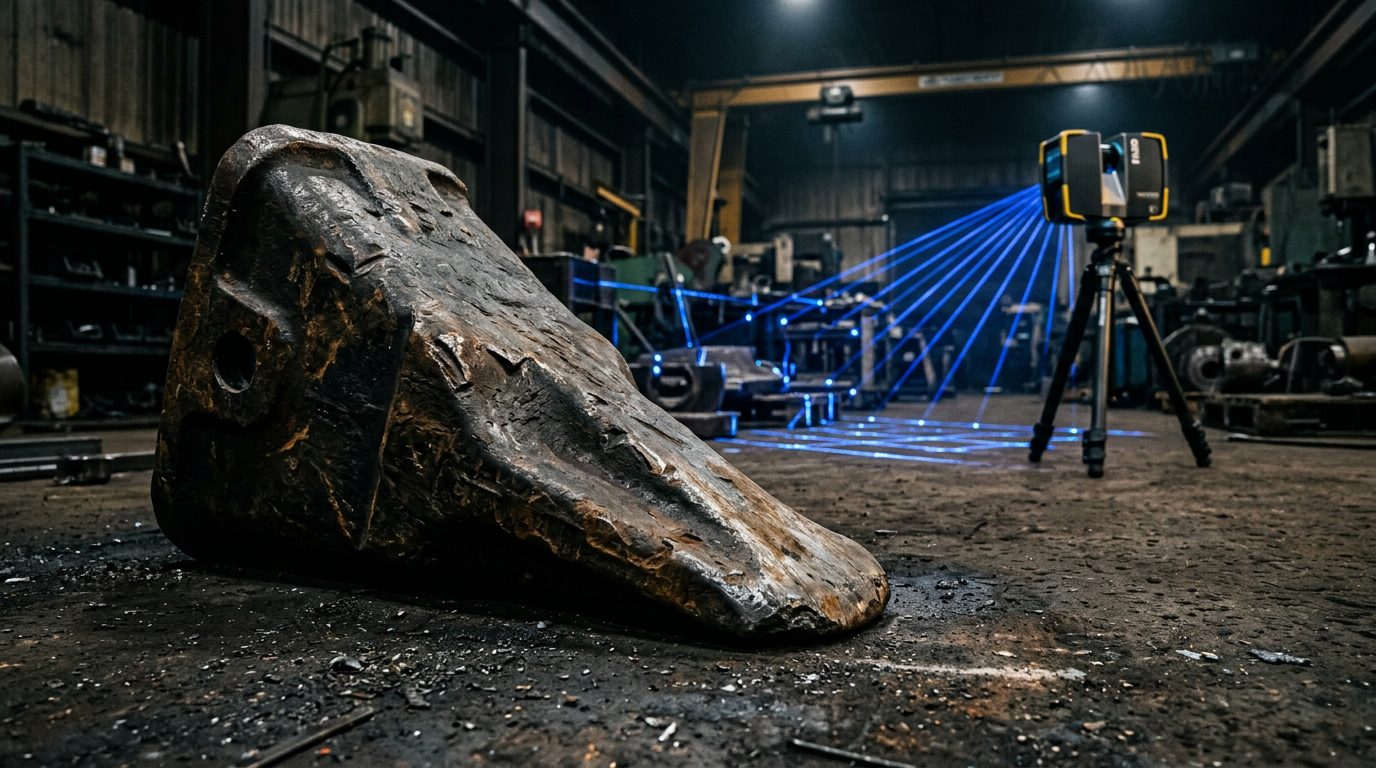
Faro Long-Range & Arm Scanning: Multi-Dataset Workflows for Component Rework
A mining equipment supplier was scanning worn components with a Faro long-range scanner and a Faro arm. Two datasets, no process to merge them or plan rework from the result. We built workflows across Geomagic Wrap, Design X, and Control X: data registration, mesh processing, geometry extraction, and deviation inspection to quantify what needed rebuilding. The supplier now had a complete scan-to-rework pipeline. From field capture to a documented plan for every worn component they service.
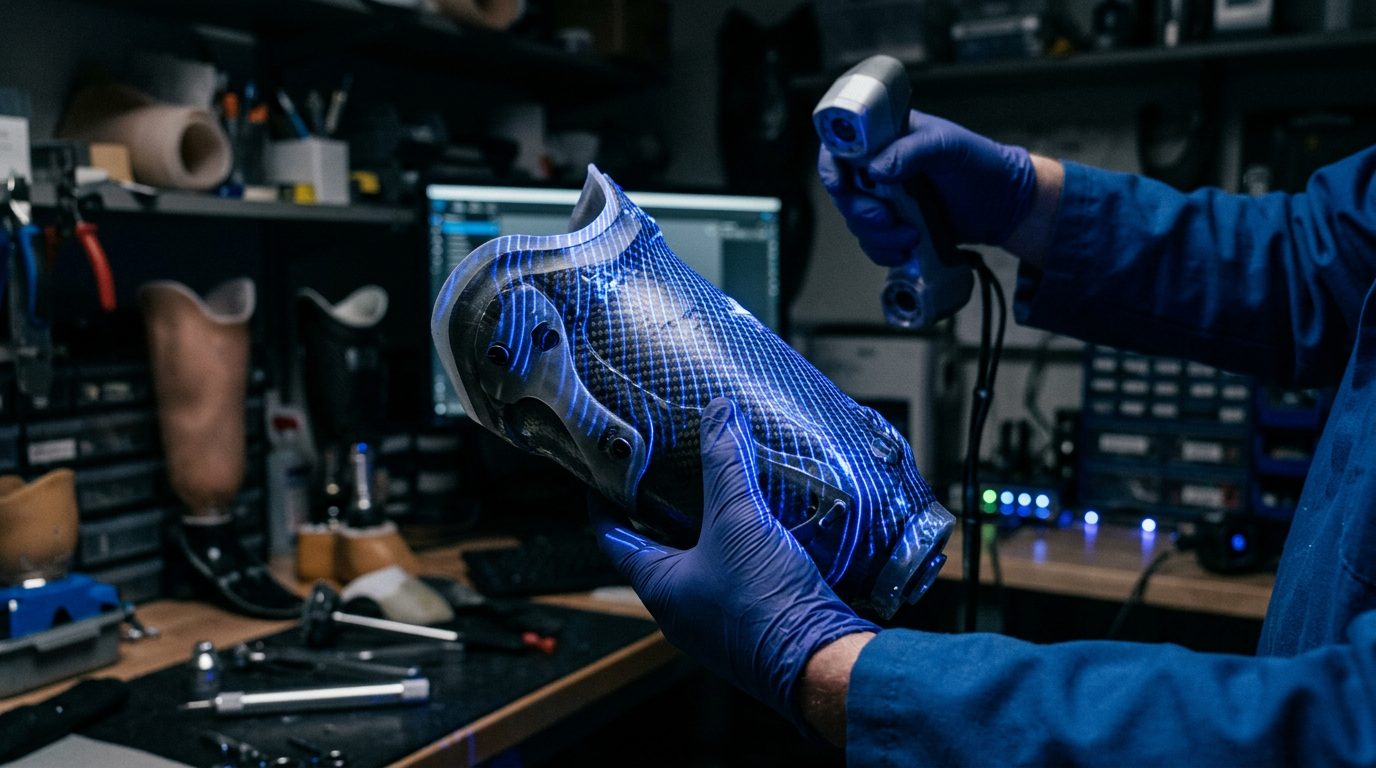
CT Scan Data Processing for Custom Prosthetics in Geomagic Wrap
A healthcare team had CT scan data for custom prosthetic design, but the output mesh was a problem: tangled geometry, intersecting surfaces, and components that could not be used as-is. The raw mesh existed but was not usable. We built a workflow in Geomagic Wrap to untangle the geometry, resolve surface intersections, and produce a clean, exportable mesh their downstream CAD tools could work with for prosthetic design. The team left with a repeatable process for patient cases.
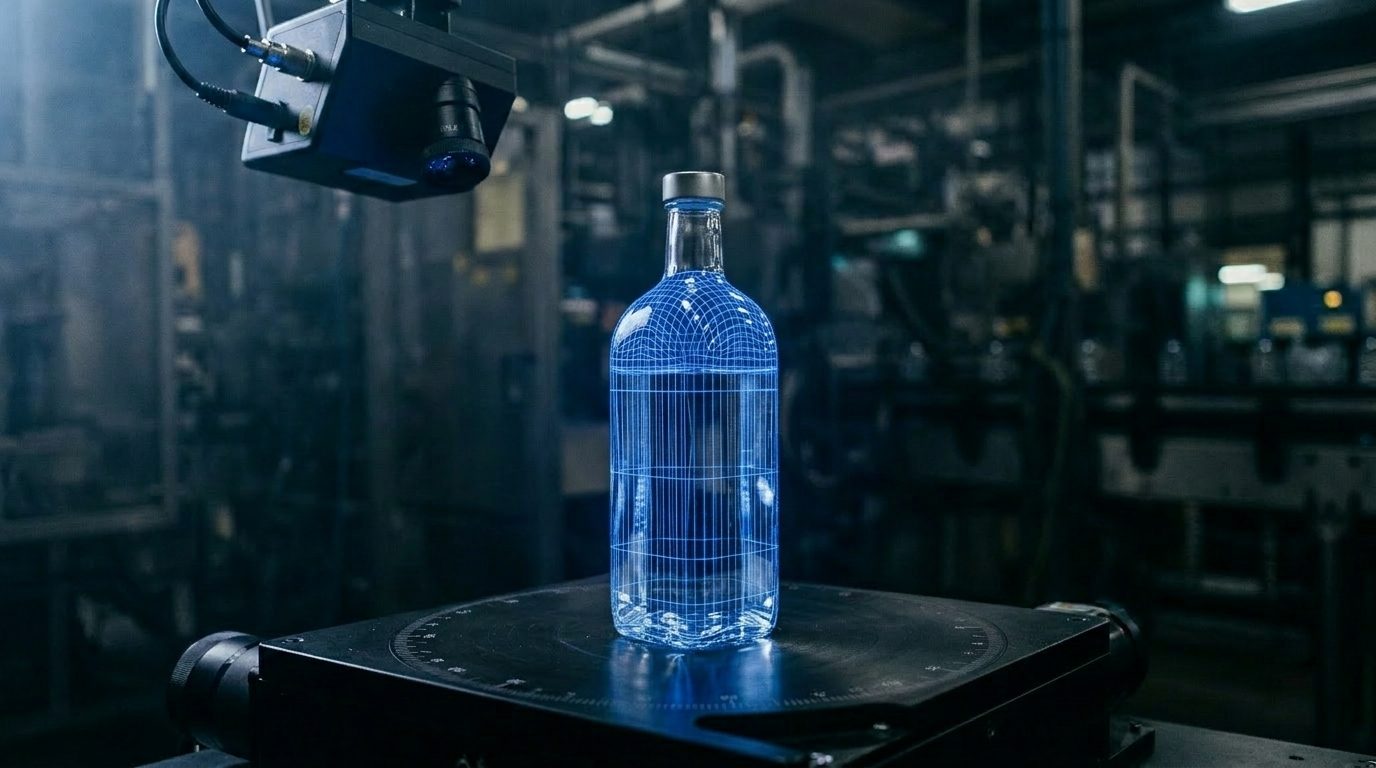
Capture 3D Scanner & Control X: Bottle Warping & Cap Retention Inspection
A bottling company had two production problems they could not quantify: bottles warping during manufacturing and caps intermittently failing in the field. Neither defect could be reliably measured with traditional tools. Using a Capture structured light scanner and Geomagic Control X, we mapped bottle deviation and measured cap seating geometry against nominal, packaged into vendor-ready dimensional reports that gave suppliers data, not complaints.
Dental Scanner & Control X: Tooling Wear Detection & Baseline Inspection
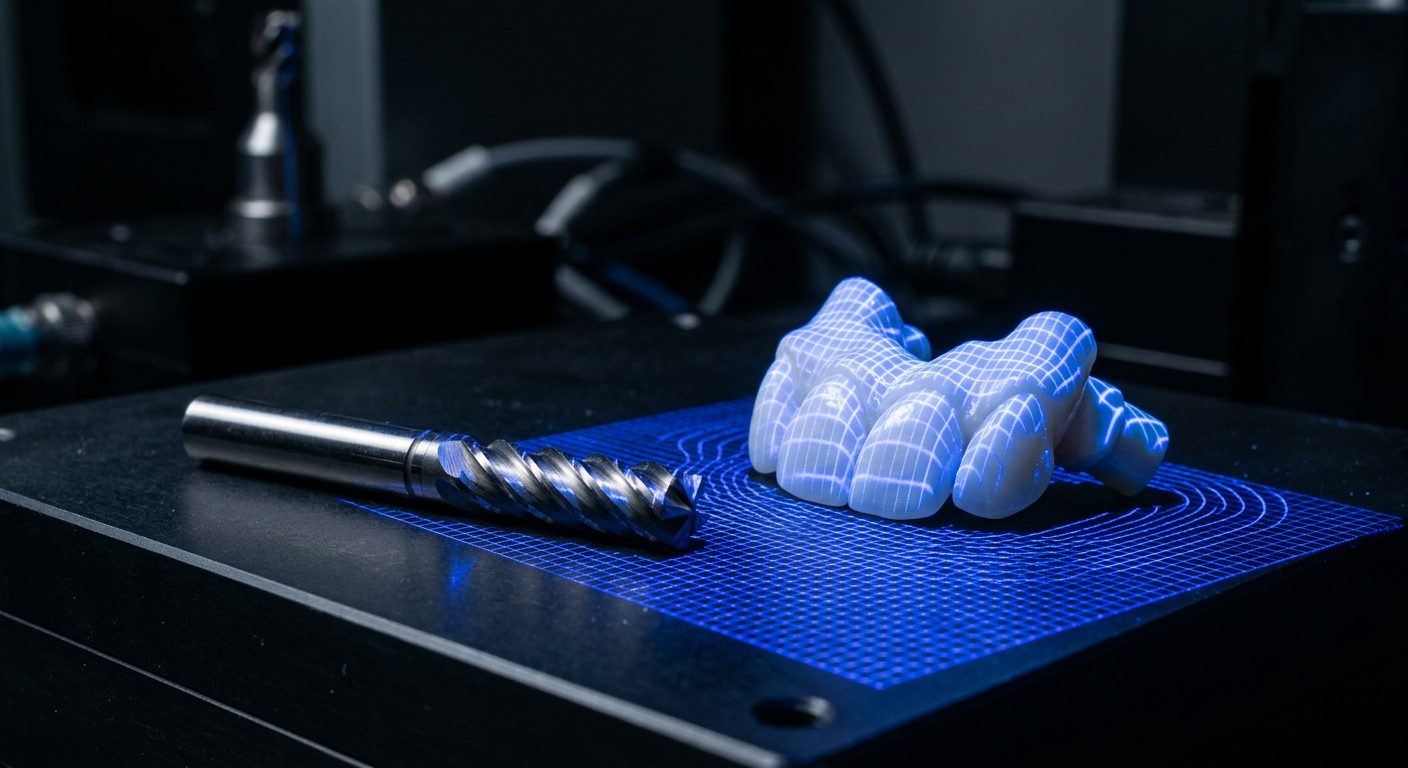
A dental manufacturer had Geomagic Control X but no way to detect tooling wear or know when to act on it. Without a baseline, dimensional drift was invisible until parts started failing. We established a validated nominal from a known-good part, then built a repeatable workflow: scan, align, deviation analysis, and colour map output showing exactly where wear had occurred. For the first time, the team could make data-driven tooling decisions before scrap became the signal.